New research based on 42 interviews with pregnant Wisconsinites highlights key factors that impede or enable abortion access. The findings provide important evidence of barriers to care in states that restrict abortion access, including Wisconsin, after the U.S. Supreme Court’s Dobbs decision overturned the federal right to abortion.
The Collaborative for Reproductive Equity (CORE) study identified factors that hinder a person’s decision or ability to get an abortion, or “brakes,” and those that increase the likelihood of obtaining an abortion, or “accelerators.” CORE Director Jenny Higgins, a professor of obstetrics and gynecology, led the research, which was published in the journal SSM – Qualitative Research in Health.
Brakes and accelerators shape paths to abortion care
A large body of evidence shows that abortion access is essential for health equity and reproductive autonomy, and constraints on that access harm pregnant people, their families, and communities. Understanding what blocks access, or what supports someone’s journey toward abortion, is critical.
Using innovative recruitment methods, researchers conducted in-depth interviews with pregnant Wisconsinites who considered abortion between June 2022 and February 2025.
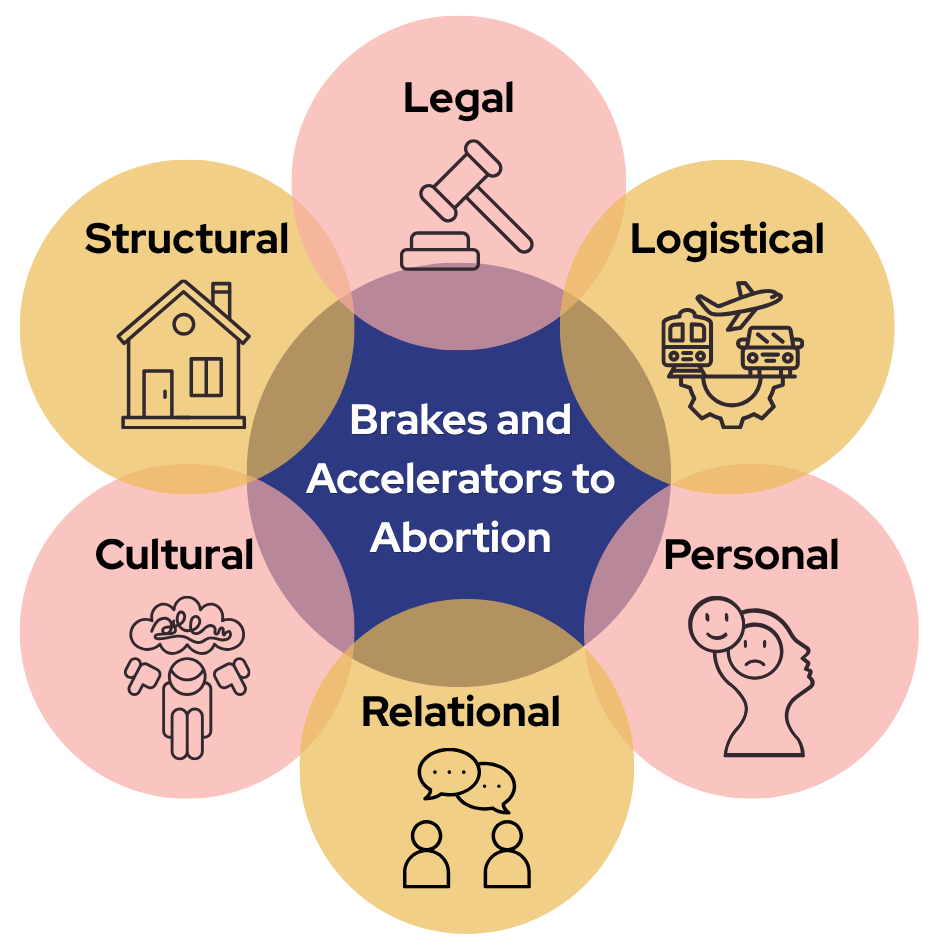 Participants described nearly 20 types of brakes and accelerators to abortion, including legal (restrictive abortion laws), logistical (for example, lack of transportation), personal (such as mixed feelings about the pregnancy), relational (family or partner dynamics, including interpersonal violence), cultural (for instance, abortion stigma), and structural (e.g. housing insecurity) reasons. View a broader list of identified factors and examples in the study.
Ultimately, many study participants faced multiple brakes that prevented them from accessing the abortion care they wanted, or accelerators that helped them.
The big three: Costs, laws, and care navigation most influence abortion access
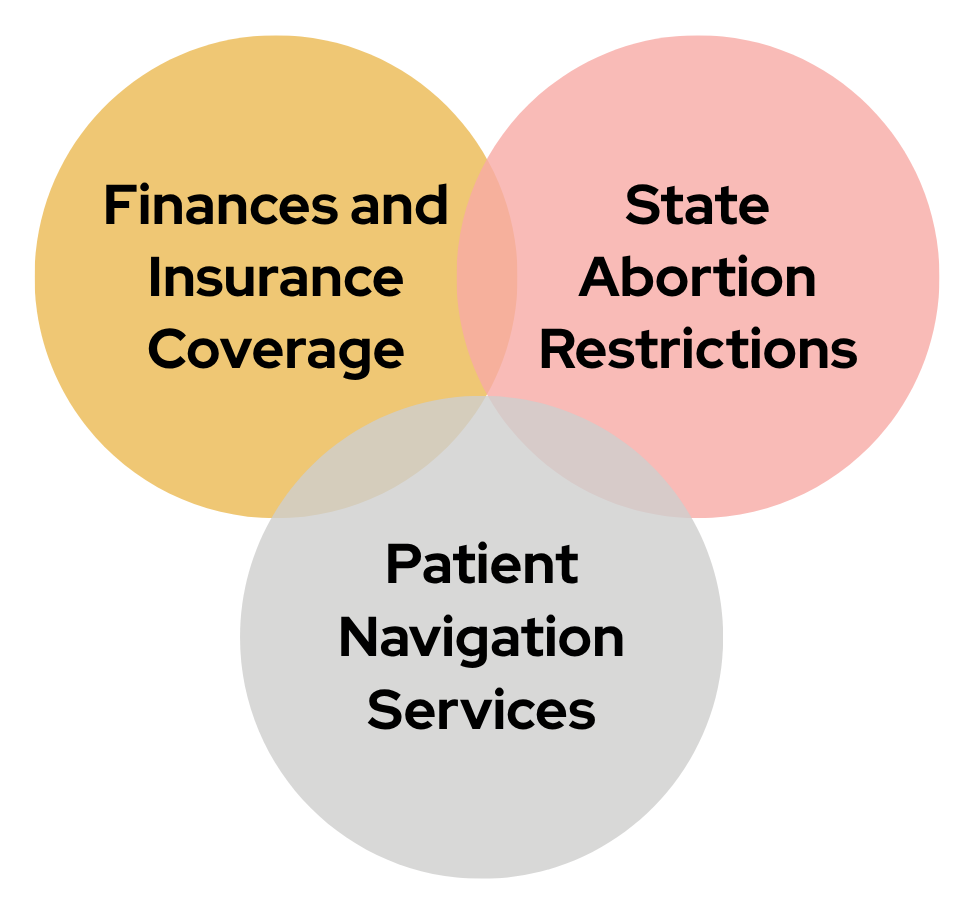 Despite the wide range of brakes and accelerators, three emerged as particularly powerful, and potentially addressable, in influencing abortion access: finances and insurance coverage, state abortion restrictions, and patient navigation services. Policymakers, public health professionals, and advocates can improve access, autonomy, and equity by addressing these issues.
- Finances and insurance. Federal law (the Hyde Amendment) prevents Medicaid from funding abortion care. Wisconsin law also prohibits BadgerCare (Wisconsin Medicaid), public employee insurance, and Affordable Care Act marketplace plans from covering abortion. Many study participants, especially those with lower incomes, reported that having to pay out-of-pocket for abortion care due to the lack of insurance coverage, combined with travel costs, prevented them from having an abortion. However, some individuals used financial assistance from family planning clinics or abortion funds to help cover the costs, making care more accessible.
- State-based restrictions. From June 2022 to late September 2023, no abortion clinics in Wisconsin provided abortion care, as an 1849 state law interpreted as banning abortion moved through the courts. Other Wisconsin laws, such as a mandatory in-person, two-visit requirement for abortion care, further complicate access to abortion in the state. These legal restrictions, along with financial factors, acted as brakes for many Wisconsinites trying to obtain an abortion.
- Patient navigation services and resources played crucial roles as both brakes and accelerators for abortion seekers. When providers at prenatal visits, family planning clinics, and genetic counselors could offer navigation services, such as referrals to abortion clinics and lodging assistance, patients were able to access their desired abortions. When these resources were absent, obstacles grew, emphasizing the importance of patient navigation services in abortion care.